
India Gate monument in New Delhi at sunset
The Great Pyramid of Giza against a blue sky
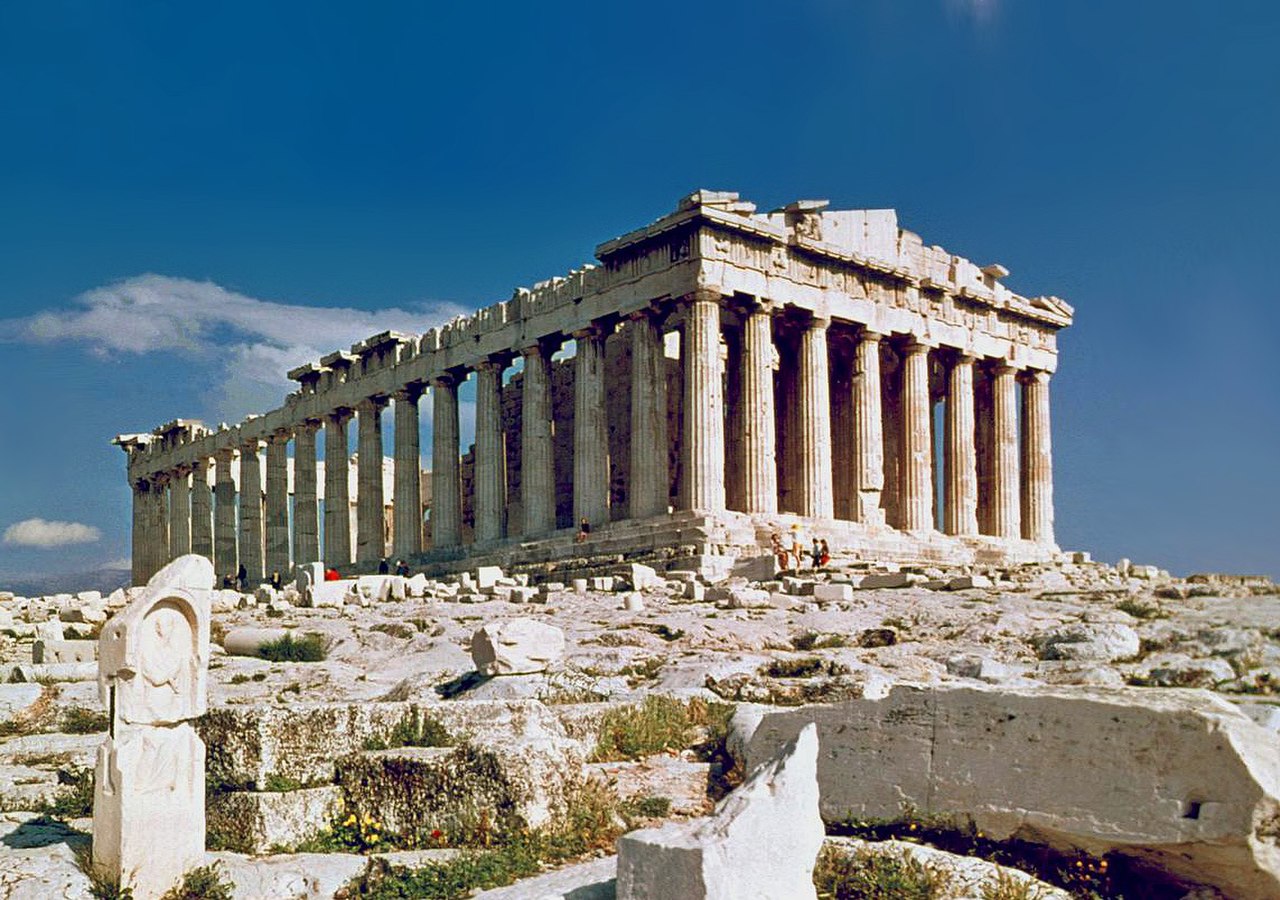
The Parthenon temple on the Athenian Acropolis
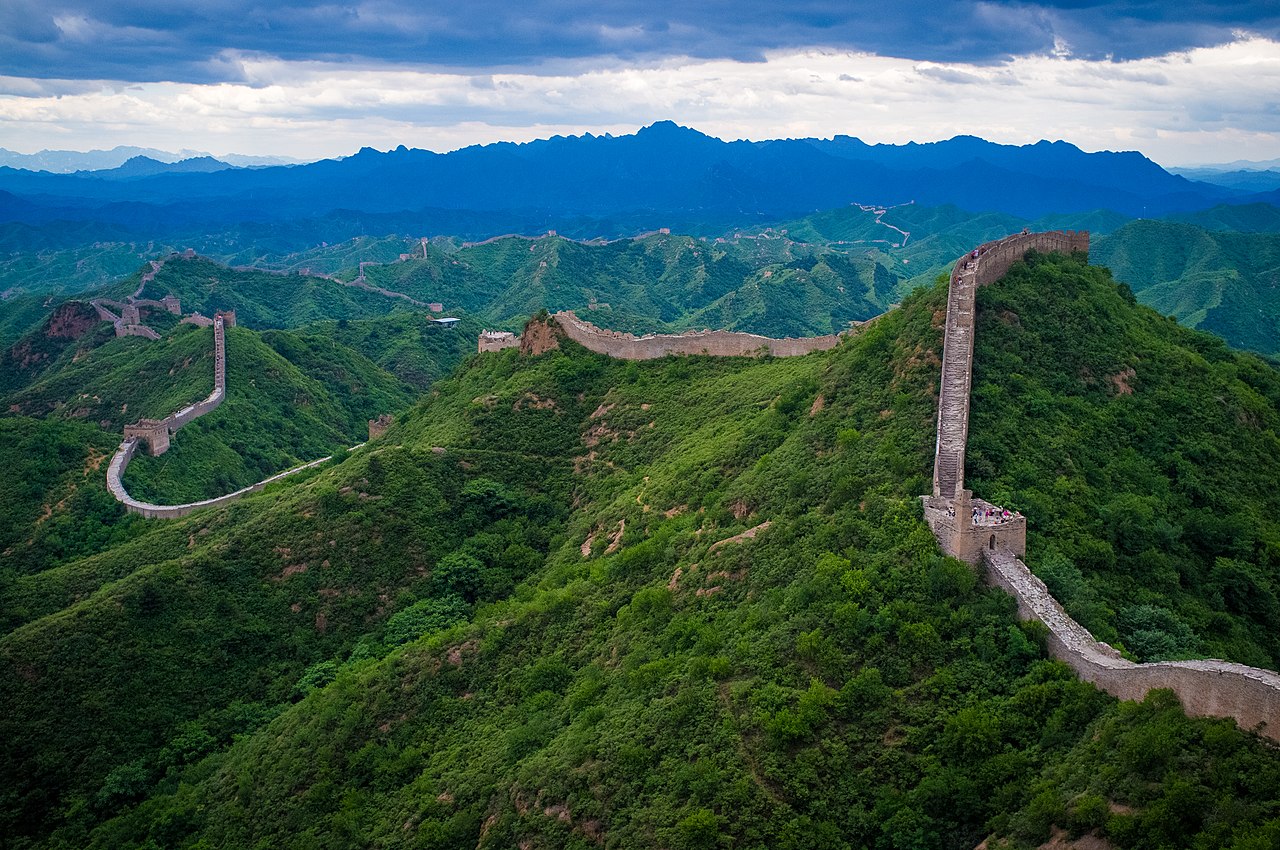
The Great Wall of China stretching across mountain ridges

World Civilizations

Explore the great civilizations that shaped humanity — their art, philosophy, science, and enduring cultural contributions across millennia.

11 civilizations

Indian Civilization

South AsiaNew Delhi1.44 billion6 highlights

One of the oldest continuous civilizations on Earth, the Indian subcontinent has been a crucible of world-shaping ideas for over five millennia. From the planned cities of the Indus Valley to the mathematical concept of zero, from the spiritual teachings of the Vedas to the non-violent revolution led by Mahatma Gandhi, India's contributions to human knowledge are immeasurable. The civilization gave birth to Hinduism, Buddhism, Jainism, and Sikhism — faiths followed by billions. Its classical arts, architecture (from Ajanta caves to the Taj Mahal), literature (the Mahabharata, the longest epic ever written), cuisine, textiles, and scientific traditions have profoundly influenced the entire world.

Concept of zero and the decimal number systemYoga, meditation, and Ayurvedic medicineBuddhism — adopted across Asia and beyond+7 more

Chinese Civilization

East AsiaBeijing1.41 billion6 highlights

The world's longest continuous civilization, China has shaped global history for over 4,000 years. The Chinese invented paper, printing, gunpowder, and the compass — the "Four Great Inventions" that transformed the world. From the philosophical traditions of Confucius and Laozi to the engineering marvel of the Great Wall, from the Silk Road to the modern economic miracle, Chinese civilization represents an unbroken thread of cultural achievement. The imperial dynasties — Shang, Zhou, Qin, Han, Tang, Song, Ming, Qing — each left indelible marks on art, governance, science, and philosophy.

Paper (circa 105 CE) — enabled global knowledge preservationWoodblock and movable type printingGunpowder — transformed warfare and engineering worldwide+7 more

Japanese Civilization

East AsiaTokyo125 million6 highlights

Japan's civilization blends ancient Shinto spirituality with Buddhist philosophy, samurai honor codes, and a relentless drive for aesthetic perfection. From the Tale of Genji (the world's first novel) to the Zen gardens of Kyoto, from ukiyo-e woodblock prints that inspired European Impressionism to the precision of modern technology, Japanese culture embodies a unique synthesis of tradition and innovation. The concept of "wabi-sabi" (beauty in imperfection) and "monozukuri" (the art of making things) pervade every aspect of Japanese life.

Ukiyo-e prints that influenced Impressionism worldwideThe world's first novel (The Tale of Genji, c. 1000 CE)Zen Buddhism and its global influence on mindfulness+5 more

Egyptian Civilization

North AfricaCairo109 million4 highlights

Ancient Egypt, the "Gift of the Nile," created one of history's most awe-inspiring civilizations. The pyramids, the Sphinx, hieroglyphic writing, mummification, and the unified kingdom that endured for three millennia set standards for monumental architecture, governance, and cultural expression that still captivate the world. Egyptian contributions to medicine, mathematics, astronomy, and agriculture laid foundations for later civilizations. Modern Egypt remains a cultural bridge between Africa, the Arab world, and the Mediterranean.

Pyramids — monumental architecture that defined human ambitionHieroglyphic writing and papyrus paperThe 365-day solar calendar+4 more

Greek Civilization

EuropeAthens10.4 million4 highlights

Ancient Greece laid the intellectual foundations of Western civilization. Democracy, philosophy, theater, the Olympic Games, and the scientific method were all born in the Greek city-states. Thinkers like Socrates, Plato, and Aristotle shaped how humanity reasons about ethics, politics, and knowledge. Greek art, mythology, and architectural orders (Doric, Ionic, Corinthian) have been emulated for millennia. Modern Greece continues a cultural tradition that bridges antiquity and the contemporary world.

Democracy — the foundation of modern governanceWestern philosophy (Socrates, Plato, Aristotle)The Olympic Games+5 more

Persian Civilization

Middle EastTehran88 million4 highlights

Persia created the first true world empire under Cyrus the Great, governing diverse peoples with a policy of tolerance that was revolutionary for its time. Persian contributions to poetry (Rumi, Hafez, Ferdowsi), science (Avicenna, Al-Khwarizmi's algebra), architecture (Isfahan's mosques), and garden design (the word "paradise" comes from Persian "pairidaeza") have enriched human culture immeasurably. The Persian New Year (Nowruz) is celebrated by over 300 million people across Central and Western Asia.

First world empire with a policy of tolerance (Achaemenid Empire)The Cyrus Cylinder — earliest human rights declarationAlgebra and algorithm (from Al-Khwarizmi)+5 more

Mesopotamian Civilization

Middle EastBaghdad (modern Iraq)43 million (modern Iraq)4 highlights

Mesopotamia — the "Land Between the Rivers" (Tigris and Euphrates) — is where civilization began. The Sumerians invented writing (cuneiform), built the first cities (Ur, Uruk), created the first legal codes (Hammurabi), and developed mathematics, astronomy, and irrigation systems that made complex society possible. Ancient Iraq's Babylonian, Assyrian, and Sumerian cultures provided the foundation upon which all subsequent civilizations built.

Invention of writing (cuneiform)First legal codes (Code of Hammurabi)Base-60 mathematical system (why we have 60-second minutes and 360-degree circles)+5 more

Ottoman & Turkish Civilization

Middle EastIstanbul (formerly Constantinople)85 million (modern Türkiye)4 highlights

The Ottoman Empire was one of the longest-lasting and most powerful empires in world history, spanning three continents at its height. From Süleyman the Magnificent's golden age to the architectural genius of Mimar Sinan, from the multicultural millets system to Istanbul as the crossroads of civilizations, the Ottomans created a rich cultural tapestry. Modern Türkiye bridges Europe and Asia, preserving a heritage that blends Central Asian, Islamic, Byzantine, and Mediterranean traditions.

Architectural masterpieces (Mimar Sinan's mosques)Turkish coffee culture — spread globallyTulip cultivation — exported to Europe, creating "tulip mania"+4 more

West African Civilizations

Sub-Saharan AfricaTimbuktu (historical center)400+ million (West Africa region)4 highlights

West Africa's great empires — Ghana, Mali, and Songhai — were among the wealthiest and most sophisticated states in the medieval world. Mansa Musa of Mali, possibly the richest person in history, made a pilgrimage to Mecca that crashed the gold market across North Africa. Timbuktu was a center of Islamic scholarship with universities that predated many European institutions. West African oral traditions (griots), music, textile arts (kente cloth), and bronze sculpture (Benin Bronzes, Ife heads) represent one of humanity's richest cultural heritages.

Trans-Saharan gold and salt trade networksTimbuktu's universities and manuscript traditionsBenin Bronze casting — sophisticated lost-wax technique+4 more

Mesoamerican Civilizations

AmericasTenochtitlan (Aztec), Tikal (Maya)Historical populations estimated at 25+ million4 highlights

The Maya, Aztec, and Olmec civilizations built some of the most sophisticated societies in the ancient Americas. The Maya developed the most advanced writing system in pre-Columbian Americas, a remarkably accurate calendar, and the concept of zero independently from India. The Aztec capital Tenochtitlan was larger than most European cities of its time. These civilizations achieved extraordinary feats in architecture, astronomy, agriculture, and art without iron tools, wheels (in practical use), or draft animals.

Corn (maize) cultivation — now a global staple feeding billionsChocolate, tomatoes, vanilla, avocados, chili peppersIndependent invention of zero (Maya)+4 more

Inca & Andean Civilizations

AmericasCusco (Inca), Tiwanaku, Chan Chan (Chimú)Estimated 12 million at Inca peak (1500)4 highlights

The Andes produced some of the most remarkable civilizations in human history. The Chavín, Nazca, Moche, Tiwanaku, and Chimú cultures flourished for millennia before the Inca. Pachacuti's Inca Empire (Tawantinsuyu) became the largest in pre-Columbian history — 12 million people across 2 million sq km from Ecuador to Chile — governed without writing through quipu knotted strings and connected by 25,000 miles of roads rivaling Rome's.

Potatoes (3,000+ varieties) — now the world's fourth-largest food cropQuinoa, tomatoes, and freeze-drying technology (chuño)Terrace farming across extreme altitudes up to 4,000 meters+5 more